What is the Ideal Wax Temperature for Embedding Petals?
While temperature is key, timing also plays a vital role. Once the first layer of wax is poured into the glass, once the wax has formed a skin on the surface, the flowers are carefully pressed onto the surface. This is usually after 2-4 minutes, depending on the size of the glass and the temperature of the environment. The skin on the wax provides a surface for the flowers to stick to, without being submerged into the wax, which can cause the flower to lose its shape. The wax is then topped up at regular intervals with wax at a slightly lower temperature to control the depth of the flowers. The skilled practitioner will know when to add the flowers, judging the time from the shine on the surface of the wax and its relative hardness. The glass can be warmed in advance and can also be stood in a bowl of warm water to control the cooling process and reduce the likelihood of cracking.
The temperature guidelines may also vary depending on the type of petals you are using. For example, if you are using heartier flowers such as roses or hydrangeas, you can pour the wax at a higher temperature and still retain the color of the flowers. This will also enable you to achieve deeper colors in your candle. If you are using baby’s breath, chamomile or dried ferns, the temperature should be lower, around 130 degrees. This will prevent the flowers from burning or fading immediately. You may also lightly spray the flowers with distilled water or a flower preserver to help the flowers survive the heat of the wax.
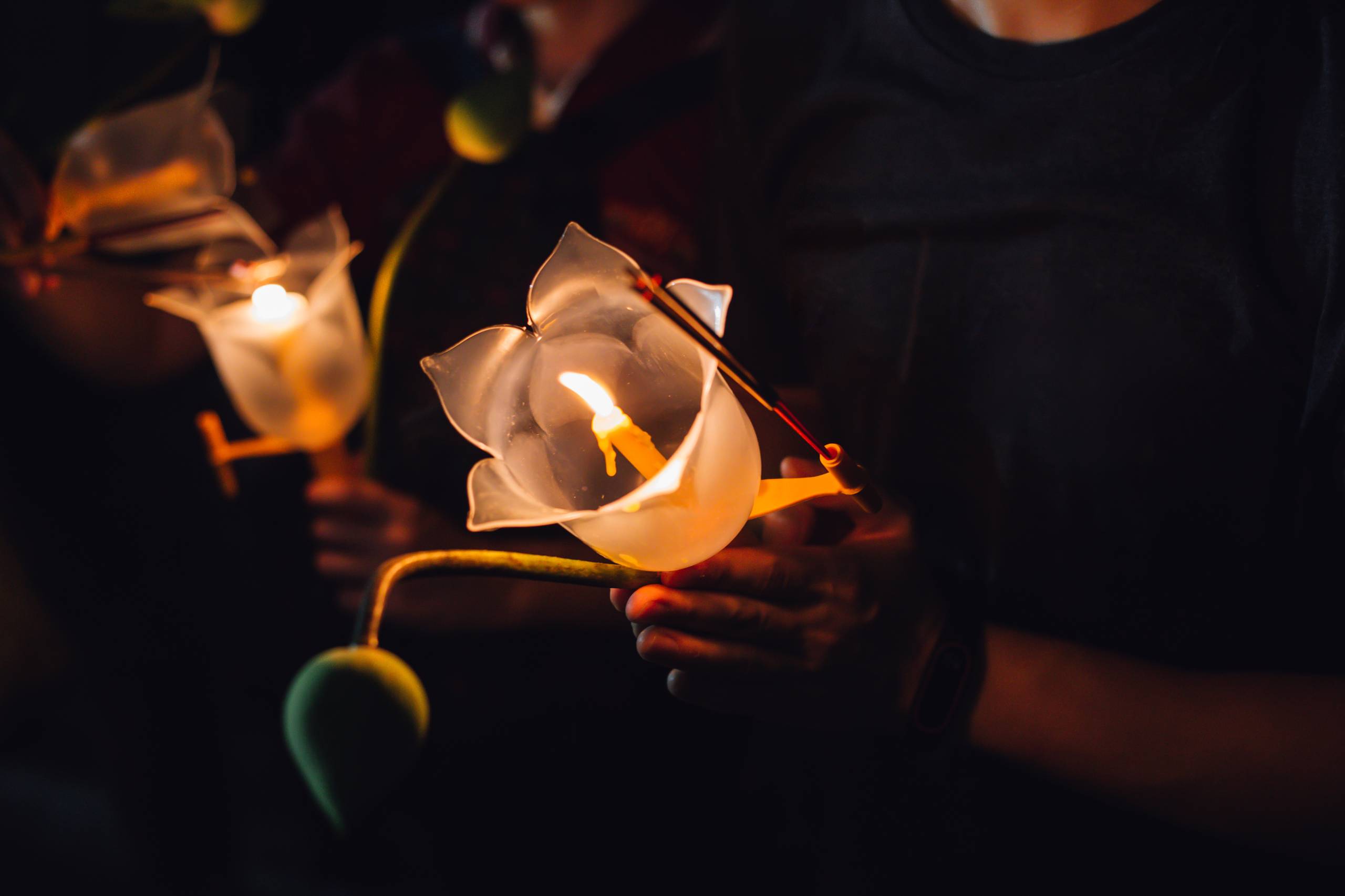
In addition to the technical issues, this issue of temperature control affects the overall appearance and mood of the final candle. Delicately applied, well embedded petals will appear to be suspended in the wax, reflecting the light in a soft dancing manner as the flame flickers. This adds to the intriguing, peaceful quality of the candle, and beckons the viewer to hold it up to the light and examine it from different angles again and again. Bad temperature control can cause the petals to appear flat, brown, and bunched, losing the enchanting, calming quality of the candle. The simple joy of pouring a layer and letting it cool with the petals in the right place becomes one of the pleasures of the craft, and is a reminder of the importance of patience and diligence, rather than hurrying to get a candle done.
Finally, mastering wax temperature allows candle making to become a spiritual practice based on reverence for materials and their constraints. It requires patience as you watch over and over, humbleness as you screw up, and exhilaration as you learn incrementally. Every successful embedding experience refines your awareness that form and beauty come from marrying objects when wax is at the right temperature rather than pushing the wax to take the object at any temperature. If you are willing to do the work temperature will become a concept less and a philosophy more, lighting a path that goes far beyond candle making to making more candles — or other vehicles to help you capture and preserve ephemeral natural beauty.